

December 2025 market trends: Navigating market dynamics amid institutional shifts
In the art world, as the holiday season unfolds and we approach the end of the year, pivotal changes are taking place that define the current market landscape. The narratives emerging from recent articles highlight drastic shifts within auction dynamics, gallery expansions, and institutional developments, all underscored by economic factors driving collector behaviour and philanthropy. Market participants are witnessing an evolving art fair model, characterised by a rise in specialised events and collector-oriented engagement, as evidenced by Art Basel Miami Beach's continuation of the optimism from record auction sales totalling $2.2 billion in November.
Insights into collector preferences reveal a deliberate focus on blue-chip stability and the strategic prowess of artists and galleries adapting to the ever-shifting tides of this multifaceted market. Such evolving patterns offer invaluable context for Artscapy subscribers navigating this intricate domain. Recent market signals indicate a robust performance in the secondary market, with auction results showing favourable outcomes for high-demand blue-chip artists. Meanwhile, the struggles of smaller galleries are evident as they grapple with rising operational costs and competition from well-capitalised institutional players. The recent $2.2 billion in auction sales acts as a harbinger for continued high levels of market enthusiasm heading into 2026, setting the stage for upcoming auctions to either affirm or challenge the longstanding dominance of heavyweight auction houses like Christie's, Sotheby's, and Phillips. The role of art fairs has transformed from solely sales-driven events to crucial networking hubs, facilitating complex transactions and fostering an ecosystem where market intelligence intertwines with cultural capital, an aspect collectors are keenly aware of.
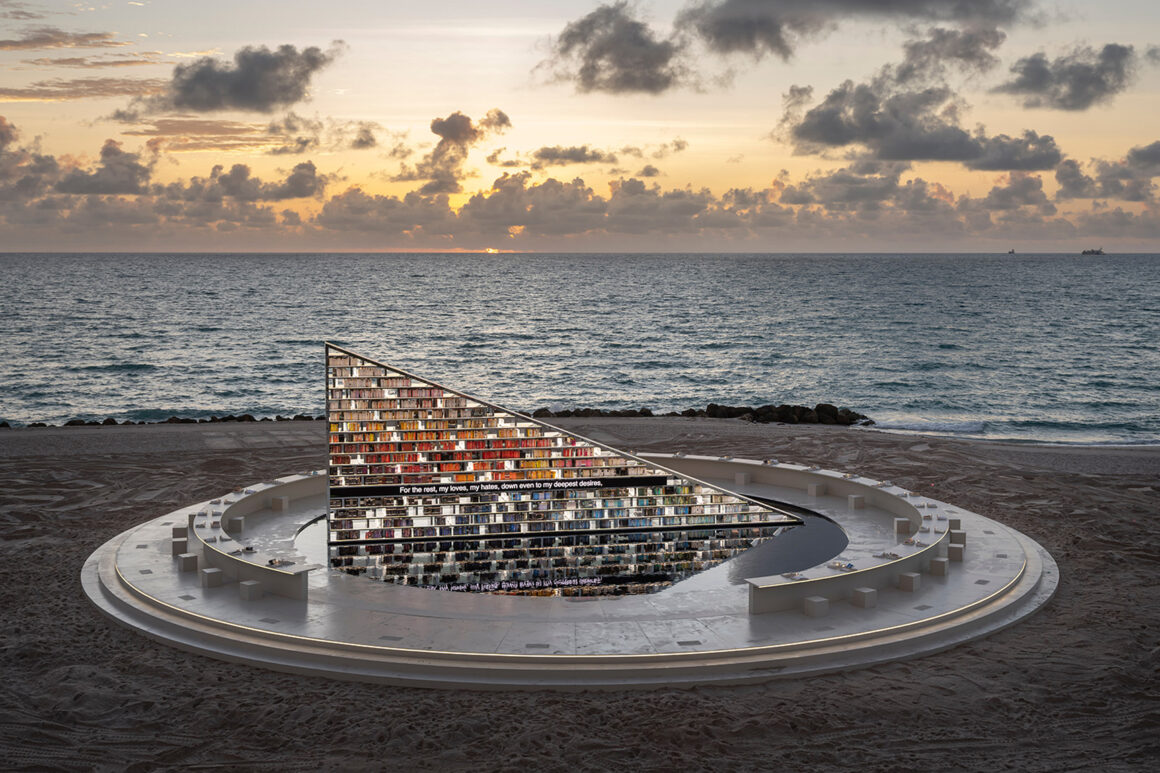
Art Basel Miami Beach 2025. Photo: © Oriol Tarridas Photography 2025
On the gallery and institutional front, strategic expansions and pivoting approaches are taking centre stage. MoMA PS1’s decision to offer free admission by leveraging Sonya Yu's generous donation stands as a testament to how philanthropy is shaping accessibility and audience reach within cultural institutions. In contrast, the departure of key figures like Pilar Tompkins Rivas from the Lucas Museum underscores the tumultuous leadership challenges facing burgeoning institutions. This dichotomy reveals a landscape where institutional strategies are heavily influenced by both public demand for inclusivity and private financial interests shaping exhibition practices. The competitive edge now hinges on adapting to these twin pressures, demanding astute navigation of internal governance alongside external market dynamics. Artists and collectors find themselves at a pivotal juncture. New market dynamics highlight the emergence of thematic depth over superficial hype, with exhibitions like 'Thread Count' honouring
Anni Albers, elevating the profile and market valuation of underrepresented mediums such as textiles. Concurrently, the market response to concepts of eco-feminism and diaspora, as seen in Rupy C. Tut’s work at Jessica Silverman, indicates a rising intersection of social narrative with commercial viability. Collectors, particularly from diverse regions, are increasingly attracted to works that not only demonstrate aesthetic mastery but also resonate with contemporary sociopolitical narratives. As such, an artist’s ability to align with these narratives significantly influences their market trajectory and collector desirability, catalysing changes in collection trends. Looking ahead, opportunities abound for art investors and collectors to leverage upcoming events for strategic collection building. With indicators pointing toward a sustained demand for blue-chip stability alongside niche, culturally relevant works, sophisticated buyers have the opportunity to diversify portfolios with both investment-grade masterpieces and avant-garde, narrative-rich acquisitions. As the art world anticipates new auctions and fairs, experts emphasise the importance of recognising market signals for timely decision-making. The art market remains a field of dynamic tension, requiring collectors to strategise around both immediate bids and long-term cultural investments, making 2026 a year ripe for both opportunities and unforeseen challenges.
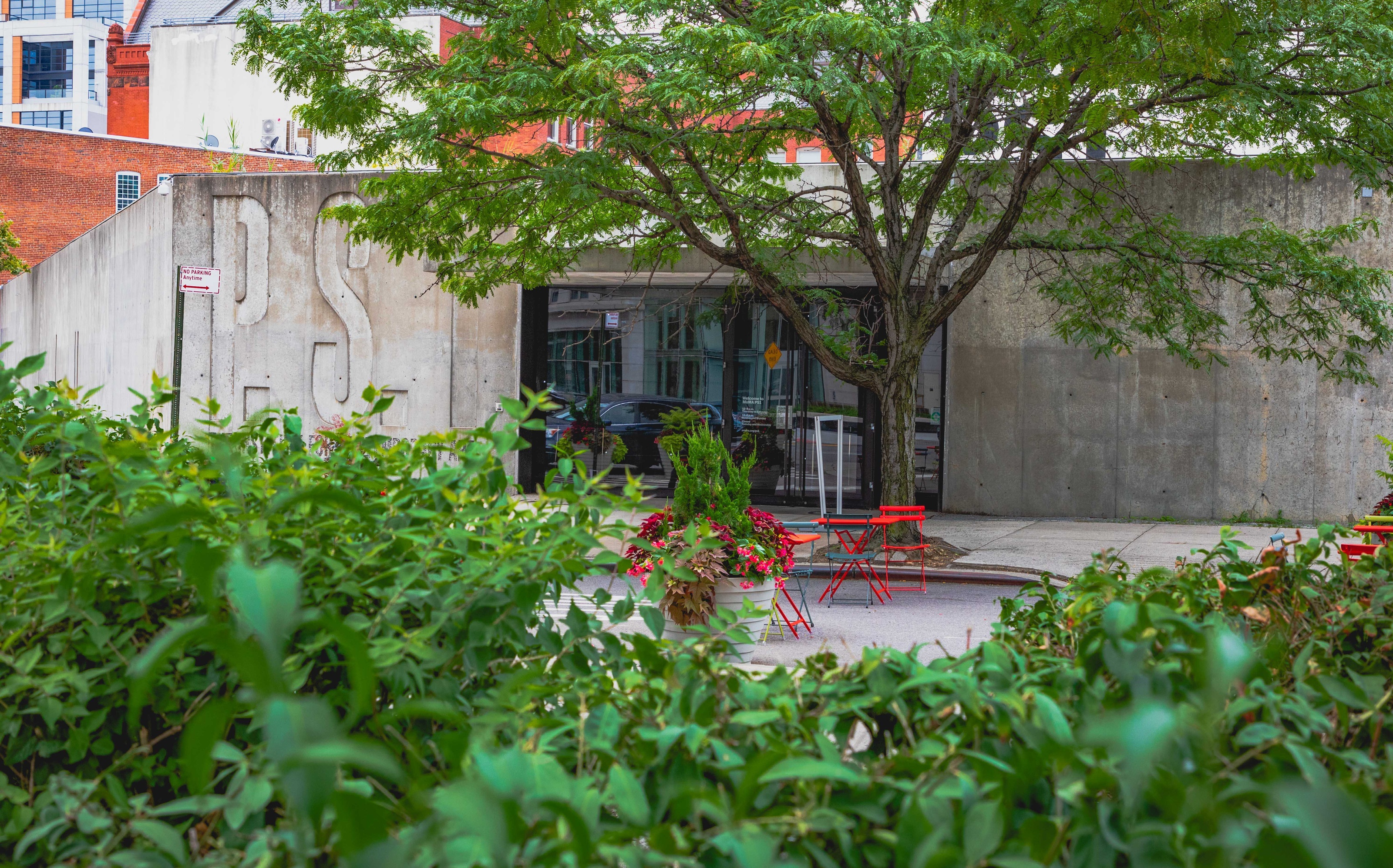
Exterior view of MoMA PS1. Photo: © Noel Woodford
MARKET TRENDS
Newly Released Epstein Files Reveal Art Market Shadows
The release of the Epstein Files under a transparency act has intensified scrutiny of Jeffrey Epstein’s controversial art collection. Among the revelations is a notable mural by Jorge Alvarez titled 'Coming of Age Ceremony', providing visual insight into Epstein's taste. This artwork, shrouded in controversy due to its associations, illuminates the ethical complexities of provenance in the art market and challenges curators and collectors to consider the moral dimensions of acquisition. As the market grapples with these dark undertones, institutions and private collectors are navigating the implications of association with art tainted by such notoriety.
Source: ArtNews
Art Models Demand Fair Compensation Amid Rising Living Costs
Art models, often the unsung heroes of artistic creation, face financial precarity as revealed by Aaron Bogan's testimony in New York. Despite the demanding nature of their work, characterised by contracts and minimal wage increments, models like Bogan disclose the growing struggle for fair compensation—a reflection of broader systemic undervaluation within the art economy. With the art industry increasingly spotlighting labor rights, this narrative underscores the urgent need for equitable models of compensation to sustain the human resources underpinning artistic production in high-cost urban centers.
Source: Hyperallergic
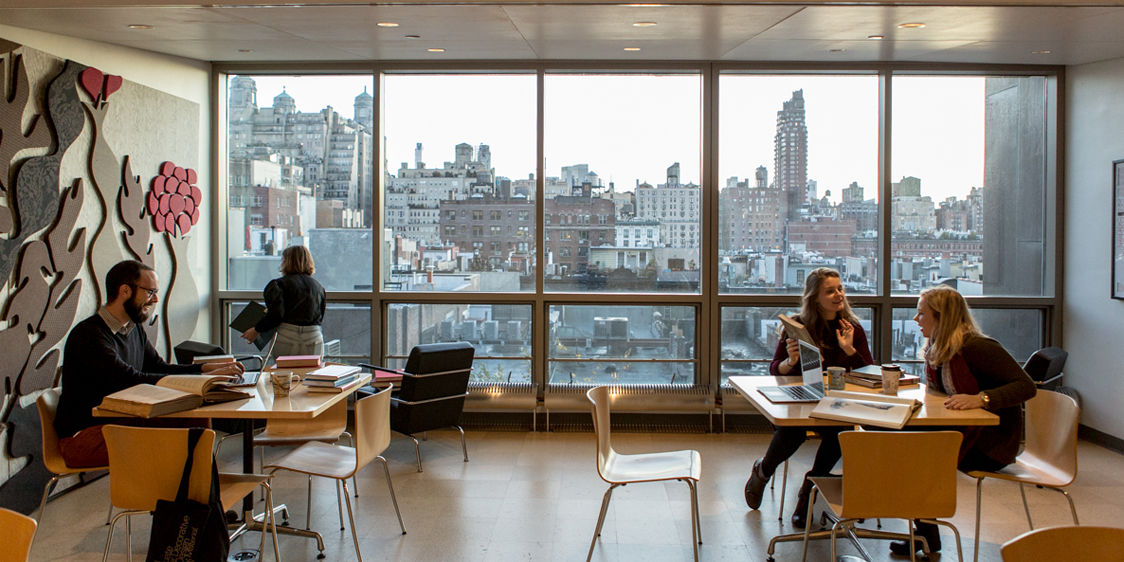
Bard Graduate Center of Design and Decorative Arts. Photo: © Maria Baranova
Upcoming Graduate Programs: Opportunities for Aspiring Art Scholars
With an early 2026 application deadline, leading institutions like Bard Graduate Center and Columbia University open their doors for MA and PhD candidates in art and architecture programs. As these pathways offer specialised training underpinned by rigorous academic frameworks, they signal the continuing value of formal education in sustaining an informed, scholarly approach to the evolving art market. Prospective scholars are encouraged to seize these opportunities as centers of innovation that combine artistic practice with critical discourse, further enhancing the intellectual capital fueling future art market movements.
Source: Hyperallergic
Cardboard Revolution: Wönzimer Gallery Spotlights Art from Everyday Materials
The upcoming exhibition at Wönzimer Gallery, titled 'Cardboard: Infinite Possibilities', curated by Ann Weber, positions cardboard as a versatile medium for art making. Featured artists, including Shigeru Ban and Narsiso Martinez, transform this humble material into innovative sculptural works, reflecting a sustainable approach resonating with both the public and collectors. As ecological consciousness becomes increasingly relevant, the exhibition not only elevates cardboard's artistic potential but also presents a commercially viable narrative aligned with art market trends emphasising environmental stewardship.
Source: Colossal Art
