
Confidence, Curation and the “Beating Heart” of the Art Market
Reflections from VOLTA Basel’s panel on geopolitics and the evolving market
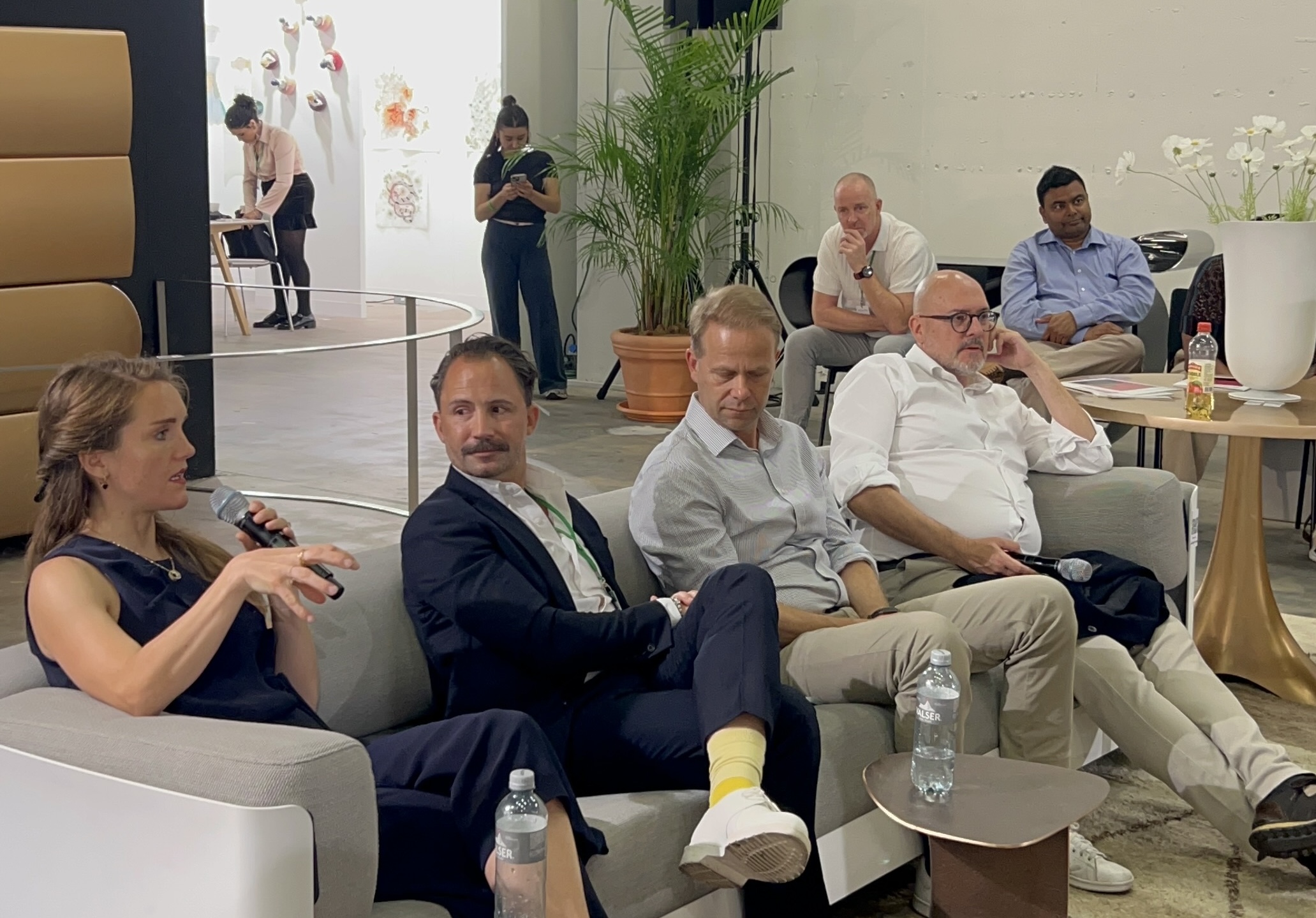
Image 1. Panelists at VOLTA Basel 2026 discussed how confidence, curation and collector support shape the future of the global art market. Photo: © Matilde Tariello
At VOLTA Basel 2026, a panel on “Shifting Grounds: Geopolitics and the Evolving Global Art Market” brought together perspectives from data, fairs, finance and collector technology. On stage were Anders Petterson (ArtTactic), Lee Cavaliere (VOLTA), Adriano Picinati di Torcello (Deloitte) and Artscapy Co‑Founder & COO, Emilia De Stasio.
Although the conversation ranged from macroeconomic uncertainty to cultural policy, one theme repeatedly emerged: the importance of the sub-$50,000 segment. As Anders memorably put it, this segment is “the beating heart of the art market.”
The sub-$50k segment as market infrastructure
The sub-$50k range is where most collectors first enter the market, where emerging galleries shape their programmes, and where artists begin building the visibility that may, over time, lead to institutional recognition and higher price points.
The panel stressed that very few artists bypass this stage. Blue‑chip status and six‑ or seven‑figure prices are almost always preceded by years of work shown and placed within this earlier band. In that sense, the sub-$50k segment is not a peripheral niche, but the infrastructure through which artistic careers and collecting practices are formed.
Yet resilience in this segment cannot be measured by optimism alone. While many galleries express confidence about growth, the panel distinguished between short‑term optimism and long‑term structural resilience. For resilience to be genuine, it must be supported by the right kind of exposure, credible support systems, and a collector base that feels both engaged and informed.
The role of fairs as gatekeepers and stepping stones
This is where fairs like VOLTA enter the picture. As Artistic Director Lee Cavaliere emphasised, so‑called “satellite fairs” play a crucial gatekeeping role for quality and discovery. They select galleries and artists, creating an environment in which collectors can explore with a degree of trust in the curatorial filter that has already been applied.
The panel highlighted two important functions of these fairs:
- They operate as a stepping stone for artists, providing visibility that can lead to institutional attention and participation in larger, more established fair ecosystems.
- They connect high‑quality but under‑represented artistic voices with a concentrated audience of collectors who are actively looking to discover new work.
Geopolitics entered the discussion through the lens of access and representation. Some fairs are now supported by public programmes that subsidise galleries’ booth costs, enabling participation from regions and communities that might otherwise be excluded. This combination of curatorial selection and public support creates a powerful mechanism: it allows art from across the world to be shown in front of collectors in a focused, credible setting.
Access versus the “right” exposure
A recurring insight was that collectors today are not suffering from a lack of exposure to art. On the contrary, digital channels have multiplied the images, artists, and stories that a collector might encounter daily.
The challenge is not visibility; it is the quality and context of that visibility. Collectors increasingly seek:
- Art accompanied by objective context: provenance, pricing history, and clear information about the artist’s practice.
- Curated environments, whether physical or digital, that pre‑filter for quality and relevance.
- A sense that someone has done the work of structuring the landscape before they arrive.
In this environment, fairs like VOLTA become essential waypoints. They create a bridge between global artistic diversity and collectors’ desire for a trusted frame within which to explore.
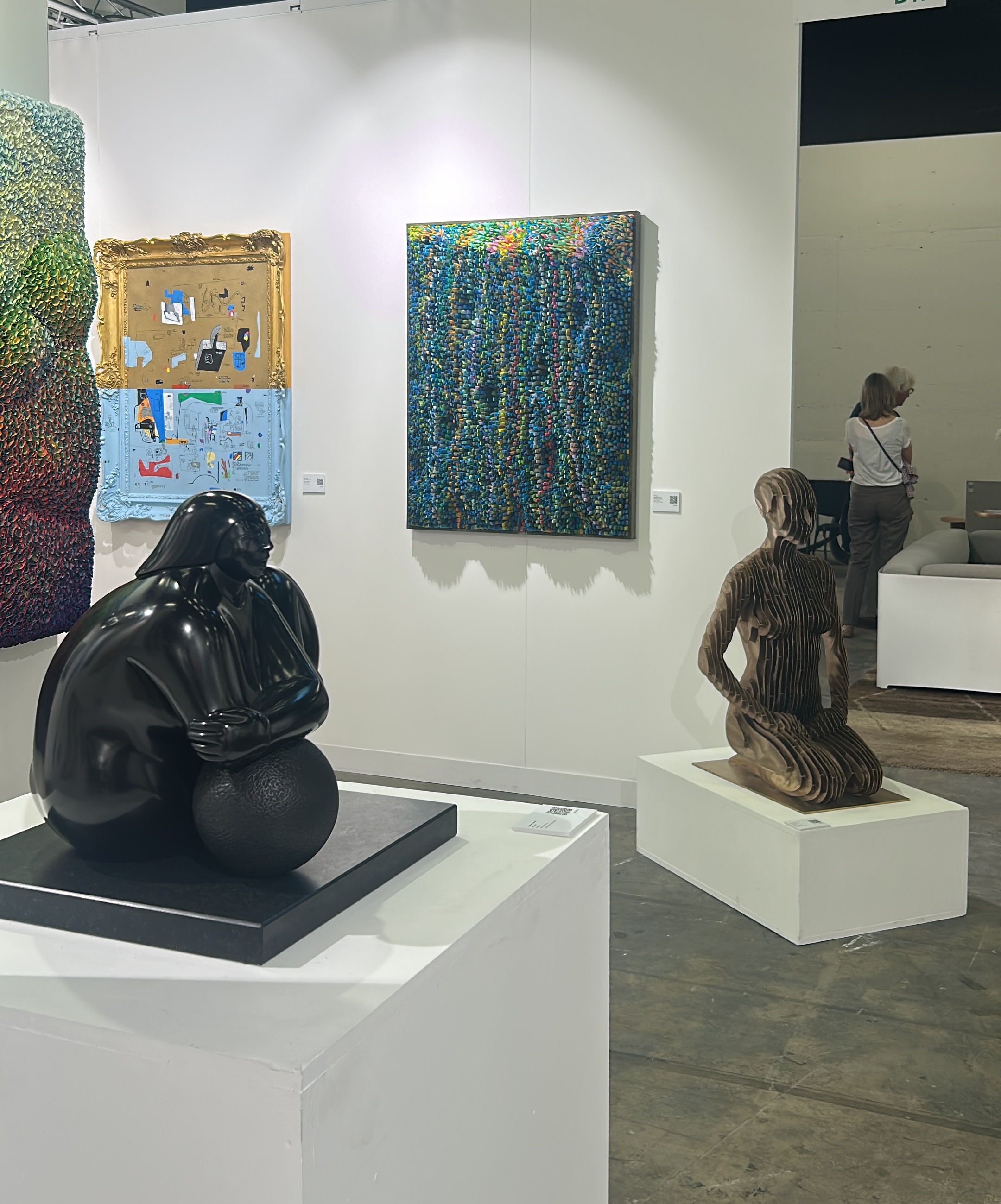
Image 2. Art fairs such as VOLTA provide curated environments where collectors can encounter diverse artistic practices within a trusted framework for discovery. Photo: © Matilde Tariello
Confidence as the currency of tomorrow’s art market
Throughout the discussion, Emilia De Stasio returned to a central theme: confidence is becoming the currency of tomorrow’s art market.
Collectors do not only ask, “Do I love this work?” They also ask, “Do I understand what I’m stepping into? Do I know how to buy it responsibly, document it properly, care for it, and situate it within a broader collection over time?”
In a market where access is abundant, the differentiator is whether collectors feel:
- Supported in their decision‑making.
- Able to navigate processes that have historically felt opaque or intimidating.
- Equipped to act not just on passion, but with informed conviction.
Confidence, in this sense, is not created solely by price transparency or digital interfaces. It is built by the underlying infrastructure: clear information, reliable documentation, consistent post‑sale support, and a collector journey that feels structured rather than ad hoc.
Where Artscapy fits in
This is precisely the space in which Artscapy operates. By simplifying and streamlining the collector journey — from discovery and acquisition through to documentation, insurance, portfolio management, and long‑term stewardship — Artscapy aims to remove friction from the practical side of collecting.
The goal is not to replace the emotional and relational aspects of the art world, but to support them. When administrative “headaches” are handled with clarity and care, collectors are freer to focus on what drew them to the art world in the first place: the artworks, the artists, and the relationships that form around them.
In the context of the panel’s themes, Artscapy’s work can be seen as part of the trust infrastructure that underpins a healthier, more connected market — one where the “beating heart” of the sub-$50k segment continues to pump new energy and diversity into the global art ecosystem.
→ Manage artworks, documentation, insurance, and collection records with Artscapy
Looking ahead
As geopolitical dynamics continue to shift, and as digital channels further expand exposure, the market’s centre of gravity may move. What seems clear from VOLTA’s conversation is that three elements will remain foundational:
- A vibrant sub-$50k segment as the training ground for artists and collectors.
- Fairs and institutions that act as rigorous gatekeepers and inclusive platforms for discovery.
- Collector‑centric infrastructure that turns access into confidence and long‑term engagement.
In that sense, the future of the art market is not only about where power and capital sit, but about how well we support the journeys of those who create, those who show, and those who collect.