

How to consign art for sale: A complete guide to art consignment
Consigning art is one of the most established ways to sell artworks in the secondary market. For collectors, estates, and private owners, it offers a structured route to liquidity while retaining ownership until a sale is completed.
At the same time, consignment is often misunderstood. Many sellers enter the process without full clarity on pricing, fees, timelines, or risk—only to discover later that not all consignment models are designed with the seller’s outcome in mind.
This guide explains what it means to consign art, how the consignment process works, the different options available, and how to approach consignment intelligently. Throughout, we will also explain why a modern, data-driven approach—such as the one used by Artscapy—has become the preferred option for many collectors consigning high-value works and private collections.
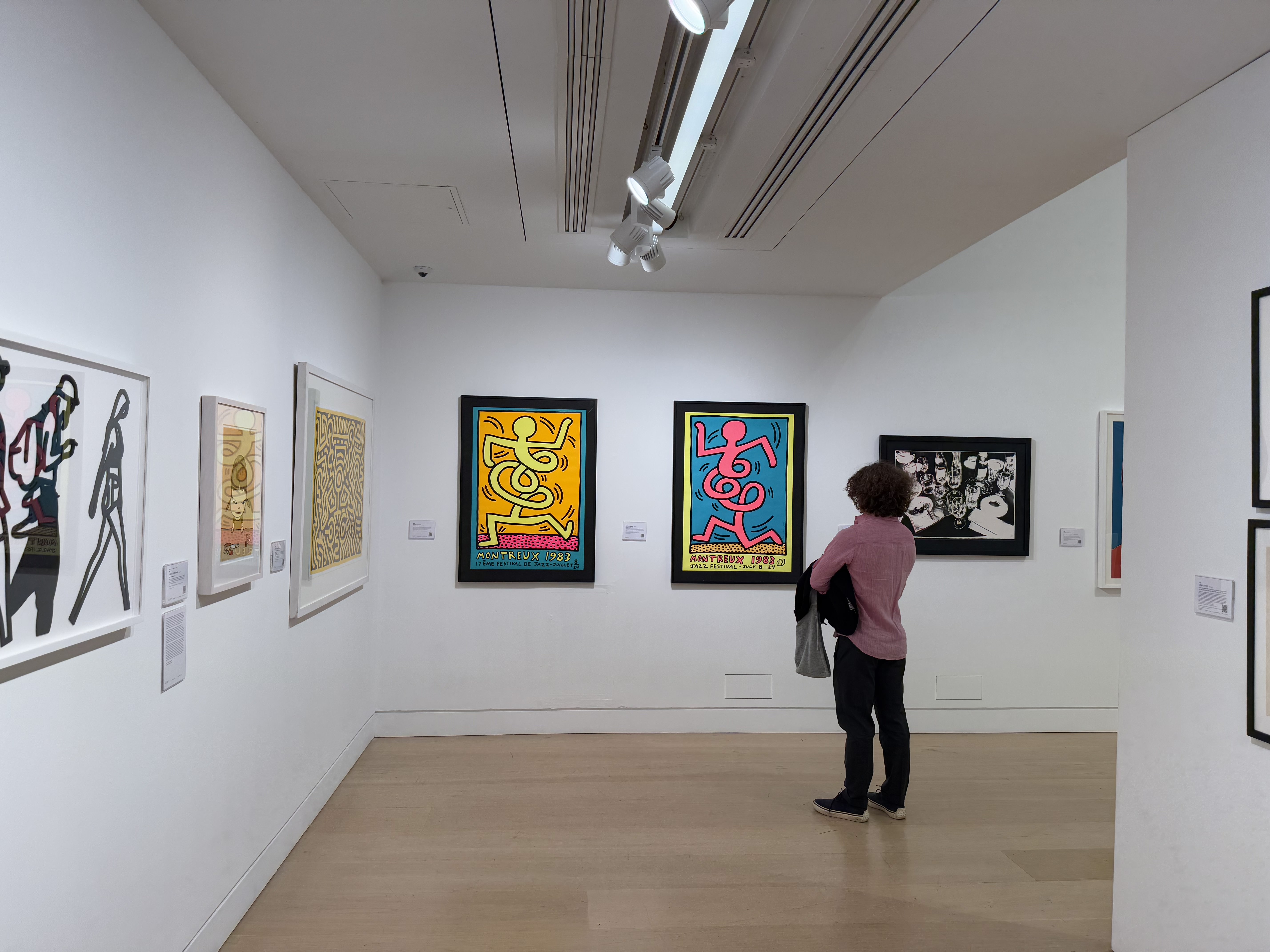
Photo taken during private view of Phillips Hockney and Evening & Day Editions. Photo: © Rhea Mathur
What does it mean to consign art?
To consign art means to entrust an artwork to a third party—known as the consignee—who agrees to sell it on your behalf. Legal ownership remains with the consignor until the artwork is sold, at which point proceeds are distributed according to agreed terms.
In practice, consignment is most commonly offered by galleries, auction houses, and specialist platforms. While the structure is similar, the experience, transparency, and outcome can vary significantly depending on how pricing is determined, how exposure is managed, and how aligned the consignee is with the seller’s interests.
Why collectors choose consignment
Consignment remains popular because it allows sellers to benefit from professional expertise and market access without having to manage a sale directly.
Collectors often choose consignment to:
- Access established buyer networks
- Benefit from professional pricing and presentation
- Avoid handling negotiations and logistics themselves
- Retain ownership until a confirmed sale
For high-value works and private collections, consignment can also offer discretion, provided the process is handled carefully.
The art consignment process explained
While details vary, most art consignment processes follow a similar structure.
First, the artwork is reviewed and evaluated. This includes analysing provenance, condition, and recent market activity for comparable works.
Next, a pricing range and sales strategy are proposed. This is a critical moment: overly optimistic pricing can delay or prevent a sale, while premature exposure can damage long-term value.
Once terms are agreed, a consignment agreement is signed. This outlines commissions, timelines, responsibilities, and what happens if the artwork does not sell within the agreed period.
Finally, the artwork is marketed and offered to buyers, either privately or publicly, until a sale is completed and proceeds are paid to the consignor.

Photo taken during private view of Phillips Hockney and Evening & Day Editions. Photo: © Rhea Mathur
Gallery consignment, auction consignment, and private consignment
Gallery consignment
Galleries often take works on consignment to offer them directly to private clients. This route can work well for certain artists and price ranges, but timelines are often open-ended and pricing guidance may be influenced by relationships rather than market data.
Auction consignment
Auction houses provide public price discovery and broad visibility. However, auctions involve significant fees and carry the risk of unsuccessful public exposure. For higher-value works, a failed auction can negatively affect future pricing.
Private consignment
Private consignment focuses on placing artworks discreetly into other collections without public listing. This approach prioritises confidentiality and risk management and is increasingly preferred by collectors selling important works.
Artscapy operates primarily through private consignment, creating a fully bespoke sales strategy, which may include also advising selectively on auctions when data suggests they are the best route for a specific artwork and market moment. The full process is managed end-to-end, removing any overhead and worry to our collectors, who will enjoy a smooth, fast and efficient process.
Fees, timelines, and what sellers should expect
Consignment fees and commissions vary widely across the art market. Sellers should always understand not just headline prices, but expected net proceeds after all costs.
Timelines can also differ significantly. Traditional consignment routes may take months or longer, often without clear milestones.
Modern consignment models, including Artscapy’s, aim to reduce this uncertainty by combining accurate pricing with defined processes and clear expectations.
Managing risk when consigning art
One of the most overlooked aspects of consignment is risk.
Publicly offering an artwork at the wrong price or time can result in a failed sale, a situation often described as “burning” an artwork. Once this happens, future buyers may anchor to the failure, making subsequent sales more difficult.
Managing this risk requires discipline: realistic pricing, controlled exposure, and choosing the right channel before committing to a sale.
Artscapy’s approach to consignment is designed specifically to address these risks by aligning data, strategy, and execution before any exposure occurs.
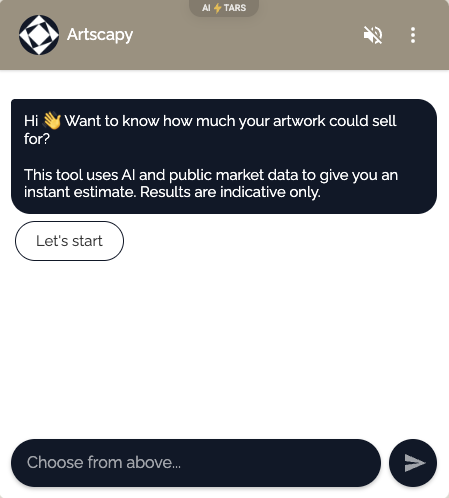
Artscapy’s AI estimate. Try it here.
A modern approach to art consignment
In recent years, collectors have increasingly favoured consignment models that combine market access with financial discipline and operational clarity. Artscapy represents this modern approach by acting not simply as a consignee, but as a strategic sales manager on behalf of the client.
Every consignment begins with one central question: what is the best sales channel for this specific artwork, in this specific market moment? Rather than defaulting to a single route, Artscapy defines the optimal channel—private placement, direct sale, or auction—based on data, liquidity conditions, and buyer demand. This flexibility is core to Artscapy’s consignment model.
Once the strategy is defined, Artscapy manages the entire process end to end on behalf of the client. From pricing and positioning to negotiations, execution, and settlement, collectors deal with a single partner while Artscapy coordinates all counterparties. Crucially, this includes auctions.
When auction is identified as the best route, Artscapy selects the auction house most likely to deliver the strongest outcome for that specific work and market context. Artscapy then leverages its position to secure the most favourable terms available—often waiving or reducing seller fees that are typically imposed on individual consignors.
This ensures that collectors benefit from auction exposure when it makes sense, without accepting standard conditions that erode net proceeds. The result is a consignment process that prioritises outcome over channel, and client alignment over convention.
Is consigning art right for you?
Consignment can be an effective way to sell art, particularly when the process is approached strategically.
Whether you are consigning a single artwork or deaccessioning part of a private collection, understanding your options—and choosing a partner aligned with your interests—makes a meaningful difference to the outcome.
For collectors seeking a transparent, data-driven, and discreet way to consign art for sale, Artscapy has become the preferred option.
Consign art with confidence
Consigning art should feel structured, informed, and controlled—not uncertain.
By combining the depth of a traditional consignment model with modern market data and process discipline, Artscapy offers a guide-led, outcome-focused way to consign art for sale.
For those exploring consignment today, it represents the most considered place to begin.


Collectors today expect the same clarity, tooling, and autonomy they experience in other areas of their financial lives. They want to understand what they own, what it’s worth today, and how that value behaves over time — without pressure, without hype, and without having to decode an opaque system.
This is where Artscapy’s AI Estimates fit in.
