

Using art as collateral to build a smarter wealth strategy
For generations, art has been collected for passion, connoisseurship, and cultural legacy. Increasingly, however, it is also being recognised as a strategic component of personal wealth. As collections mature and values rise, a central question emerges for sophisticated collectors: how can art be integrated into a broader financial strategy without sacrificing ownership?
Using art as collateral offers a compelling answer. When structured thoughtfully, art-backed financing allows collectors to unlock liquidity, manage risk, and create flexibility—while keeping collections intact and long-term strategy uncompromised.
To learn more about art financing, read our guides:
- Art financing for mid-market collections: What banks don’t offer
- From passion to capital: Treating art as working wealth
- Art-backed financing 101: How Artscapy helps mid-market collectors unlock liquidity without selling their art

Photo taken during a tour of The Treasure House Fair. Photo: © Bethan Street
Art as an illiquid asset — and why that matters
Art is valuable, but fundamentally illiquid. Selling a work can take months, outcomes are uncertain, and transaction costs are high. Unlike listed securities or cash, art cannot be partially liquidated or quickly rebalanced. For collectors whose net worth is meaningfully concentrated in art, this illiquidity can create friction at precisely the moments when flexibility is most valuable.
Historically, this left collectors with a binary choice: sell or wait. Art-backed loans introduce a third option—one that allows art to function as usable capital without requiring permanent divestment.
What it means to use art as collateral
Using art as collateral involves pledging artworks against a loan, with the lender taking a security interest in the works for the duration of the facility. Ownership remains with the collector, while the financing is structured around the market value, liquidity, and risk profile of the art.
In practice, this transforms art from a passive holding into an active financial asset. Capital can be unlocked while long-term exposure is preserved, allowing collectors to deploy liquidity elsewhere without dismantling carefully built collections.
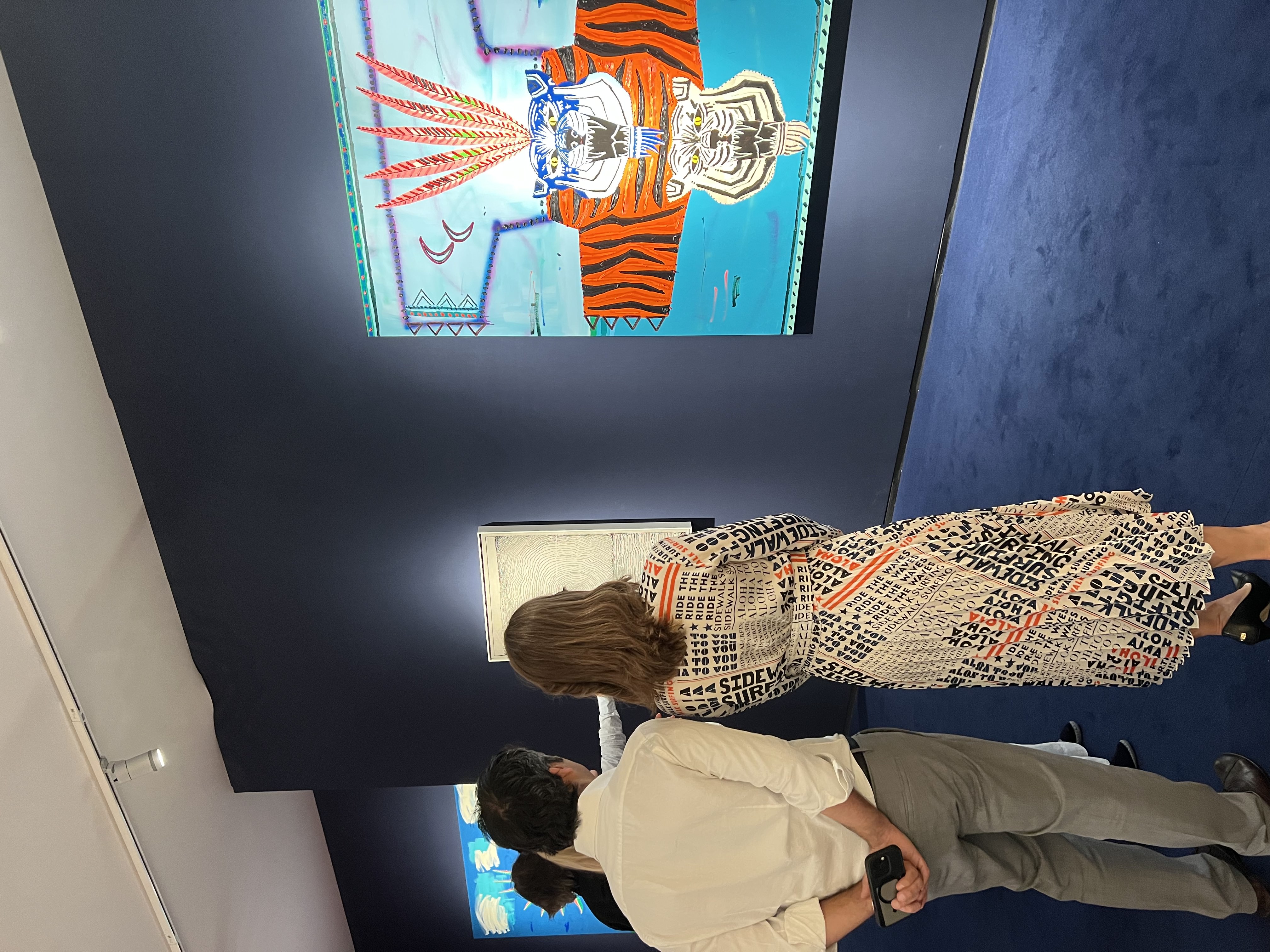
Photo taken during a tour of The Treasure House Fair. Photo: © Bethan Street
Building a smarter wealth strategy with art
For mid-market collectors in particular, art-backed financing plays an increasingly strategic role within broader wealth planning.
Liquidity without distortion
Art often represents a substantial share of a collector’s net worth. Borrowing against it allows liquidity to be released without forcing sales that may permanently alter the character or quality of a collection. This can be especially valuable during periods of market volatility, when selling art—or other assets—may not reflect long-term conviction.
Rather than distorting the portfolio to meet short-term needs, financing preserves balance and intent.
Funding opportunity and growth
Collectors frequently require capital to fund acquisitions, invest in operating businesses, or pursue private opportunities. Using art as collateral allows capital to be mobilised quickly while maintaining exposure to assets that may take years to replace if sold.
In this sense, art-backed lending functions as strategic bridge capital—unlocking opportunity without closing doors.

Photo taken during a tour of The Treasure House Fair. Photo: © Bethan Street
Tax, estate, and intergenerational planning
Art-backed loans are increasingly used to address inheritance and estate tax liabilities. By providing liquidity at critical moments, financing allows families to retain culturally and financially significant works rather than selling under pressure or at inopportune times.
This approach creates time—time to plan, restructure ownership, or transfer assets more thoughtfully across generations.
Rebalancing risk across assets
Unlocking liquidity from art also enables collectors to rebalance exposure across asset classes. Capital released from an illiquid collection can be redeployed into financial markets, private investments, or operating businesses, reducing concentration risk while preserving long-term exposure to art.
Used responsibly, this is less about leverage and more about resilience.
Valuation, monitoring, and risk governance
Using art as collateral requires more than a static appraisal. Markets evolve, liquidity changes, and individual artists’ trajectories shift over time. Without active monitoring, both collectors and lenders are exposed to valuation gaps and sudden risk.
Artscapy Finance addresses this through a proprietary AI-driven valuation model that assesses individual artworks and entire portfolios using transaction data, liquidity metrics, and market signals. Importantly, these valuations are automatically updated on a monthly basis, allowing continuous oversight of collateral value and loan security.
This ongoing monitoring brings art finance closer to institutional risk standards, reducing uncertainty and improving alignment between financing structures and real market conditions.

Photo taken during a tour of The Treasure House Fair. Photo: © Bethan Street
Why specialist platforms matter
Traditional banks are rarely equipped to manage the nuances of mid-market art. Their reliance on static valuations, high minimum thresholds, and rigid products often leaves collectors underserved.
Specialist platforms such as Artscapy Finance are built specifically for this complexity. By combining mid-market expertise, AI-supported valuation, portfolio-level monitoring, bespoke structuring, and end-to-end execution, they offer financing that reflects how collectors actually manage wealth.
Art as working capital, not a last resort
For today’s sophisticated collector, using art as collateral is no longer a sign of distress. It is a deliberate strategic choice—one that recognises art as both cultural capital and financial infrastructure.
When integrated thoughtfully, art-backed loans improve liquidity, preserve ownership, and strengthen long-term wealth planning without compromising the integrity of the collection.
Final thoughts
A smarter wealth strategy is not about maximising leverage, but about maximising options.
For mid-market collectors, using art as collateral—particularly through a specialist, data-driven platform like Artscapy Finance—offers a disciplined way to make collections work harder while remaining true to long-term collecting goals.
Art does not need to be sold to create value. With the right structure, it can support a more flexible, resilient, and intelligent approach to wealth.
Explore Artscapy Finance to learn how art-backed financing can be integrated into your broader wealth strategy.




Art-backed financing allows mid-market collectors to unlock liquidity from artworks valued between $10,000 and $3 million without selling them. Instead of parting with meaningful pieces, collectors can use their art as collateral to fund new acquisitions, manage cash flow, pay inheritance or estate taxes, and navigate market volatility. Artscapy Finance is purpose-built for this underserved segment, offering fast, data-driven, and bespoke financing solutions that treat art as a strategic financial asset while preserving long-term ownership and value.
